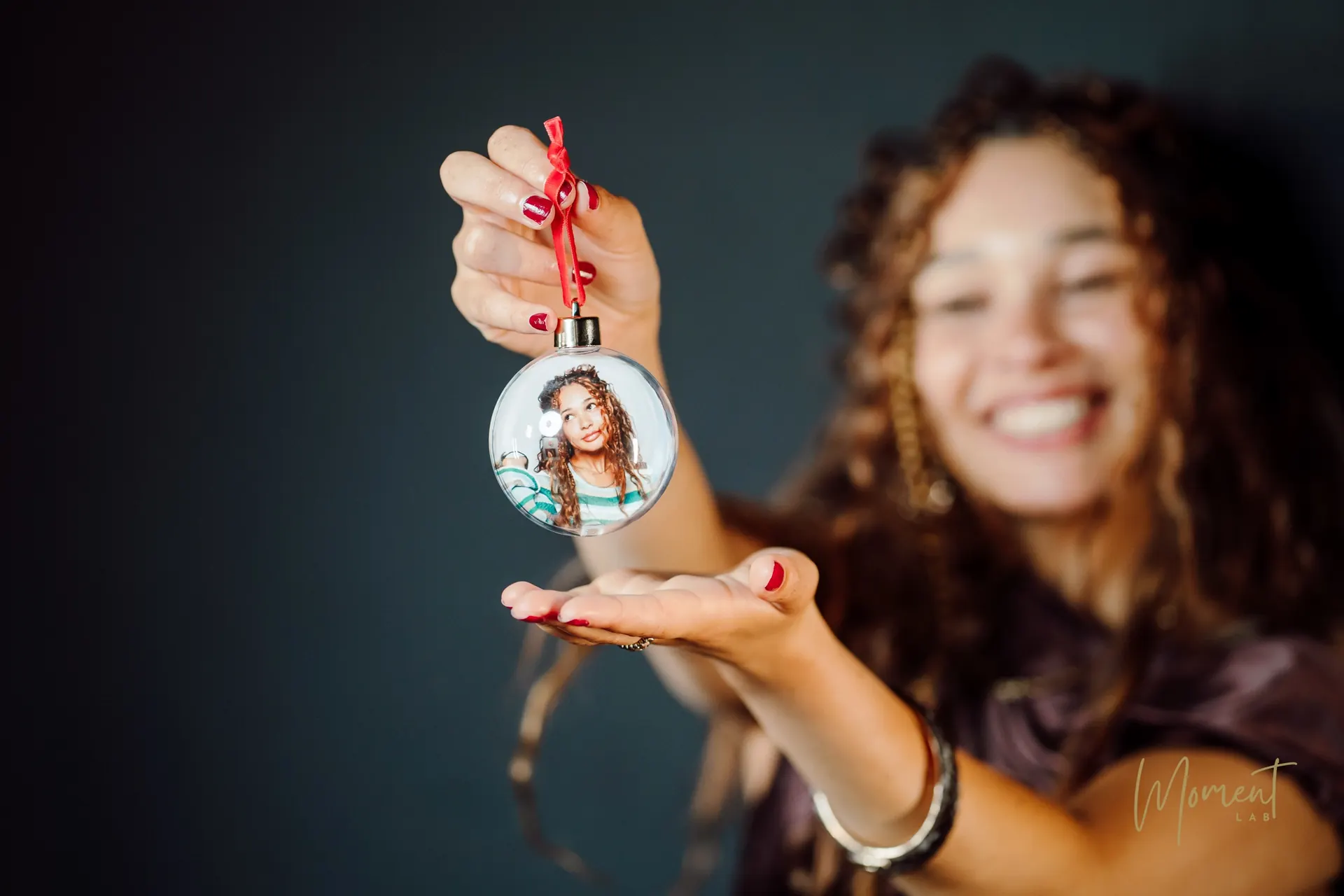
There's a moment at almost every Christmas celebration.
The speeches are done and dinner has been cleared. People have settled into the evening, and the conversation starts to flow on its own. Someone laughs a little too loudly, and a small group gathers around something happening on the other side of the room. Phones come out, and before long more people are drifting over to join in.
That's usually the part people remember. Hardly anyone goes home talking about the seating plan.
It's also why festive events are changing. Across Newcastle and the North East, businesses are starting to think differently about how they mark the end of the year. The focus is moving from organising an event towards creating something people actively want to be part of.
A familiar formula
For years, the Christmas do followed a pattern everyone knew. You had a venue, a meal, some entertainment and a few drinks before everyone headed home. There was nothing wrong with it, and in plenty of ways it worked well.
Expectations have moved on, though. Most of us take photos, share them and personalise things as part of everyday life, so simply turning up to an event doesn't feel like much anymore. People want to take part.
We hear this from all kinds of hosts. Corporate planners want the evening to mean more to their teams. Hotels are looking for ways to surprise guests over the festive season, and shopping centres want visitors to stay a little longer. Brands want activations their audiences remember for the right reasons, without them feeling like a sales pitch.
The goals are different, but they all come back to the same thing. The festive events that work best are built around what people do on the night.
From the edge of the room to the centre of it
That's why immersive experiences have become such a big part of festive planning. Guests step in and become part of what's happening. They make something together with the people around them, and they go home with more than a photograph. They go home with a story about the night.
Stories are what last. A few weeks on, people rarely remember the details of an evening. They remember how it felt, and the photo they couldn't wait to show someone at home.

Why it matters to a business
For a business, the value of a good Christmas evening goes well beyond the entertainment.
It can help people feel recognised for a long year's work. It can bring together teams who rarely sit in the same room. A well-planned evening can also show what a company is really like, in a way no presentation or all-staff email ever quite manages.
For many organisations, the festive celebration is one of the few times in the year when everyone is together, relaxed and away from their desks. That makes it worth getting right.
Why planning is starting earlier
It's also why so many companies are starting sooner. Plenty of businesses used to leave festive planning until autumn. Now the conversations often begin in summer, because the best venues, dates and experiences tend to be booked months ahead.
There's more to it than availability. Creating something people remember takes a bit of thought. The hosts behind the most talked-about evenings haven't made their decisions at the last minute. They've taken the time to shape an evening around their people and the memories they want everyone to take home.
None of that needs a bigger budget. It needs a little more thought about where the budget goes, with the focus on moments that bring people in.
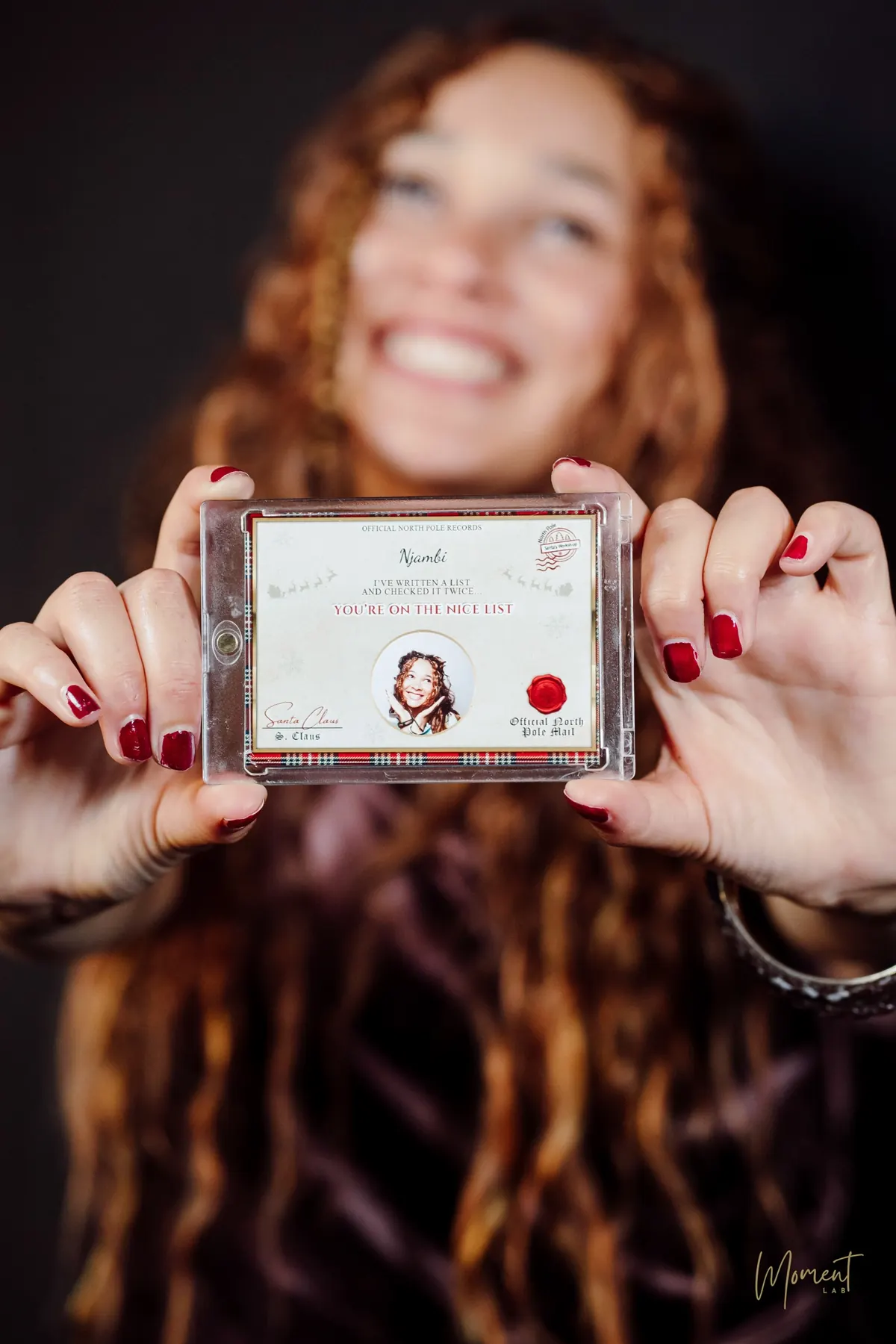
The events people remember
As the 2026 festive season gets closer, one thing is becoming clear to us.